
Innovative Machine Learning Applications in Biotechnology


Understanding Machine Learning in Biotechnology
Machine learning is revolutionizing various industries, and biotechnology is no exception. By leveraging advanced algorithms, scientists and researchers can analyze complex biological data more efficiently. This innovation is paving the way for groundbreaking discoveries and solutions in health, agriculture, and environmental sustainability.

Enhancing Drug Discovery and Development
One of the most significant applications of machine learning in biotechnology is in drug discovery. Traditional methods are often time-consuming and costly. Machine learning models can analyze vast datasets to identify potential drug candidates more quickly and accurately. This accelerates the development process and reduces costs, ultimately bringing new treatments to market faster.
Machine learning algorithms can also predict how different compounds will interact with biological targets. This capability allows researchers to prioritize the most promising compounds for further testing, optimizing the drug development pipeline.
Personalized Medicine
With the advent of personalized medicine, treatments are becoming more tailored to individual patients. Machine learning plays a crucial role in analyzing genetic information to identify the most effective therapies for specific patients. This approach enhances treatment efficacy and minimizes adverse effects, leading to better patient outcomes.

Advancements in Genomics
Genomics is another area where machine learning is making a significant impact. By analyzing DNA sequences, machine learning models can identify genetic variations that may be linked to diseases. This information is invaluable in understanding genetic disorders and developing targeted therapies.
Moreover, machine learning assists in interpreting the vast amount of data generated by genomic studies. This capability enables researchers to gain deeper insights into genetic functions and their role in health and disease.
Improving Agricultural Biotechnology
Agricultural biotechnology is harnessing the power of machine learning to enhance crop yields and sustainability. By analyzing environmental data and genetic information, machine learning models can identify optimal conditions for crop growth and resilience.
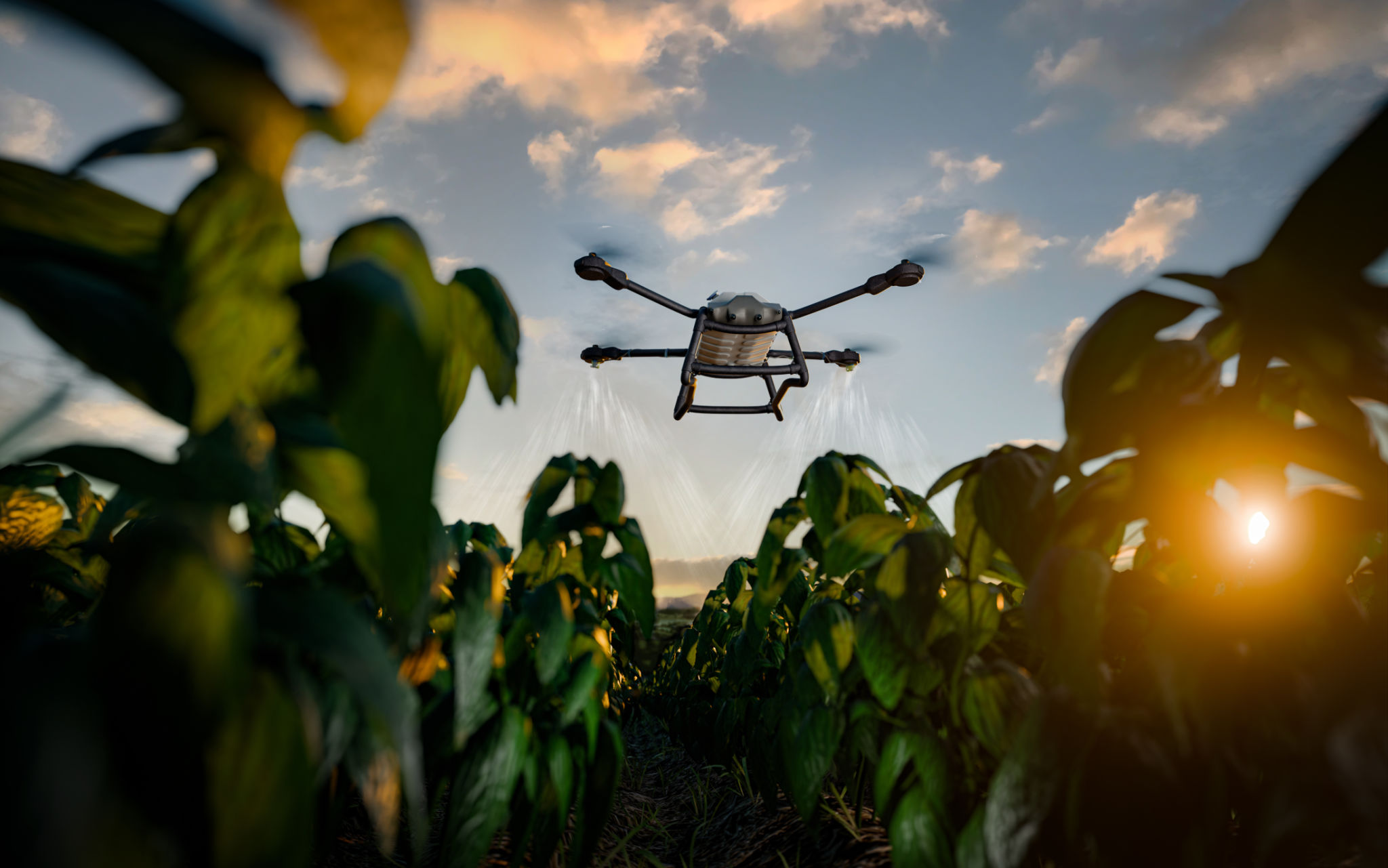
Additionally, machine learning helps in developing pest-resistant crops, reducing the need for chemical pesticides. This not only benefits the environment but also promotes healthier food production.
Environmental Applications
Machine learning is also contributing to environmental sustainability. In biotechnology, it aids in the development of biofuels and biodegradable materials. By optimizing the production processes, machine learning reduces waste and environmental impact.
Furthermore, machine learning models can predict environmental changes and their effects on ecosystems. This predictive capability is crucial for developing strategies to mitigate the impacts of climate change.
Conclusion
Innovative machine learning applications in biotechnology are transforming the industry. From drug discovery to agriculture and environmental sustainability, these technologies offer new possibilities for solving complex challenges. As machine learning continues to evolve, its integration into biotechnology will undoubtedly lead to even more exciting advancements.